In today's ICT session we continued on from last weeks workshop on programming and looked at the opportunities that are available for children to integrate programming into simulation games. Simulation games are an important learning resource for children. Educational games and simulations have been found to be
effective in motivating students to learn (Ke, 2008). Simulation games mimic real life and through
them, children are able explore and try out different solutions, testing them
within the game. Simulation games can be used for problem solving, predicting,
planning and learning activities. The various types of simulation games
available to children provide both an enjoyable entertaining
experience, while still being able offer an educational and serious purpose to
them. Through them children are able to gain an understanding of how things
work.
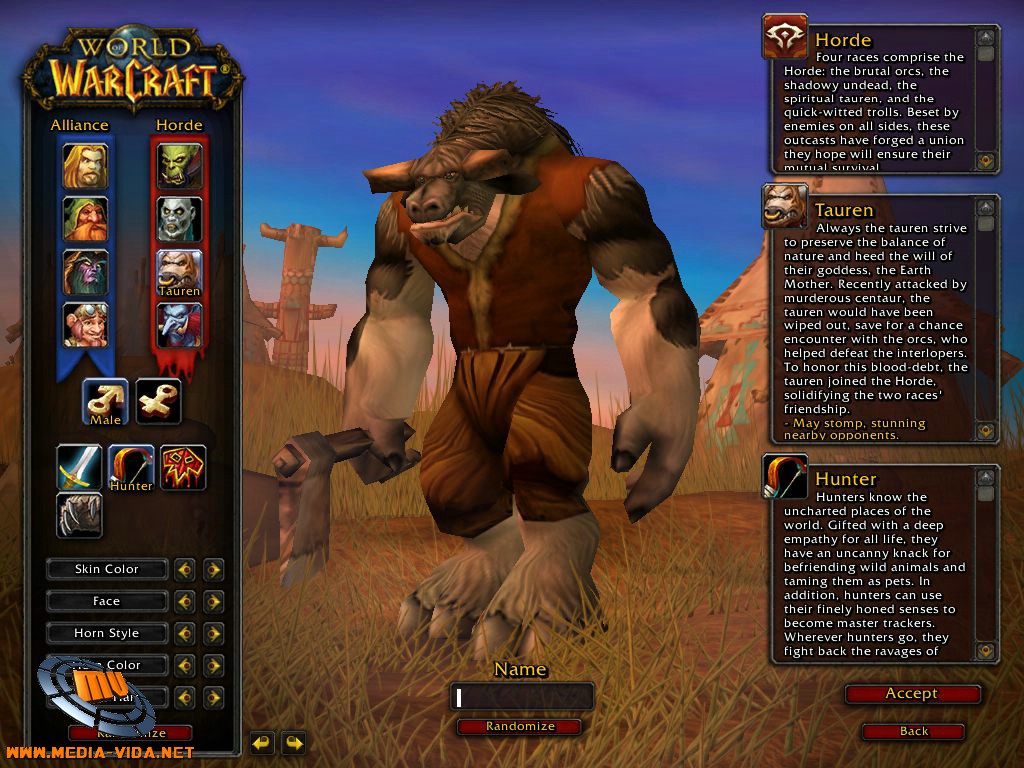

Examples of simulation games include: The Sims, Football Manager and one of the most post popular worldwide, World of Warcraft.
KODU
Kodu lets children create games on the PC
and XBox via a simple visual programming language. Kodu can be used to teach
creativity, problem solving, storytelling, as well as programming. There
are a variety of functions that children need to get to grips with in order to
make their kodu move, shoot things, disappear and change colour. Kodu is a
simulation game that challenges children's computer programming skills and
requires attention to detail, patience and quite often trial and error! My
attempt at designing an environmentally friendly place for the Kodu
to roam can be seen below.

Dance to Advance
Dance to advance is another fantastic educational resource that can be used within the classroom. On first glance you would think that its sole purpose is to support dance, however it as a valuable tool with endless cross curricular opportunities. Users are able to play using the dance mat provided, alternatively Dance to Advance can be played using the mouse or keypad. Research suggests that UK learners are some of the unhappiest in Europe and performance suggests that they may be some of the least engaged too. I believe Dance to Advance is a fantastic way to engage children into learning. It gives children the opportunity to learn in a way which they are not always used to. It is a fun and interactive resource which allows children to work in partners (when using the dance mat) and develops the idea of turn taking - an important skill within KS1! In terms of the cross curricular opportunities, Dance to Advance is a simple resource which teachers can use to tailor to different subjects. Activities can be created on any topic using pictures, text and sounds. All it requires you to do is to create a set of questions and corresponding answers which the programme will then turn into an interactive game. I am very much in favour of these pieces of equipment and would love to have a couple in the classroom!

An example of a general knowledge quiz i made using Dance to Advance.
Machinarium
This game had me hooked! It is a fantastic adventure game which requires users to explore, reason and problem solve within an imaginary world. Children find games in which they explore "other realms" very intriguing as they become curious and want to find out more. This is a fantastic game which provides numerous opportunities for children to develop a range of skills.

Great summary of the seminar.
ReplyDelete